 |
1H2/X295/S
1A1/Y1.4/150/
1A2/Y150/S
4H2V/X36/S
|
4GV/X68/S
1A2T/Y350/S
1H1/Y1.4/100
4C1/Y300/S
|
 |
.jpg)
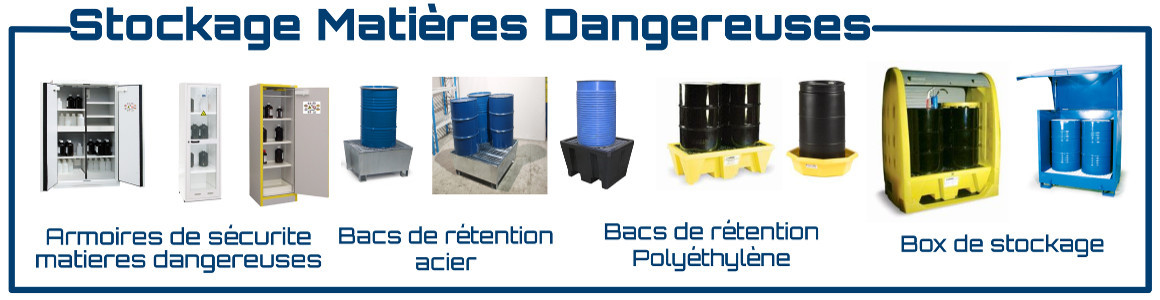
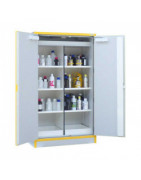 Corrosive Substances Cabinet
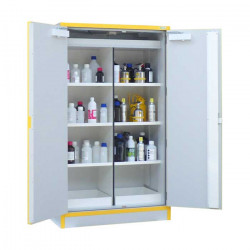
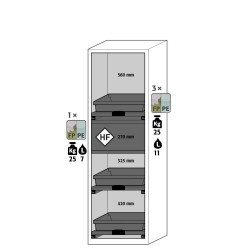
For safety reasons, corrosive products (acids and bases) must be stored in safety cabinets to prevent any risk of leakage or breakage of a bottle. You must also ensure that acids are stored separately from bases. Some of the cabinets available feature compartments, allowing incompatible products to be stored in the same cabinet.
What is a corrosion-resistant cabinet?
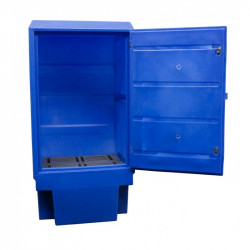
There are two main types of cabinets for storing corrosive substances. The first type, designed for storing mildly corrosive substances, consists of safety cabinets made of steel. These cabinets feature high-density polyethylene or PVC liners on the shelves and in the spill tray. The second type, designed for storing highly concentrated—and therefore highly corrosive—substances (nitric, sulfuric, hydrochloric, hydrofluoric acids, etc.), consists of cabinets made of high-density polyethylene or cellular PVC. These corrosion-resistant materials offer complete resistance to corrosive vapors and liquids.
Is forced ventilation necessary?
Forced ventilation is very important for metal safety cabinets to extend their service life. Indeed, despite the use of high-quality steel and paint, nothing can prevent acids from eventually corroding a metal cabinet. Furthermore, for the safety of users, it is strongly recommended to ventilate the cabinet—whether it is made of steel or corrosion-resistant material—to remove any hazardous vapors that may form inside the cabinet.
Applicable Standards:
FM (FACTORY MUTUAL): An international insurance company and accrediting body for safety equipment that advises businesses.
ARTICLE R.5132-68 OF THE PUBLIC HEALTH CODE AND INRS RECOMMENDATIONS (concerning chemicals from different families):
Products that are incompatible with one another (acids and bases) must be stored in separate cabinets or compartments.
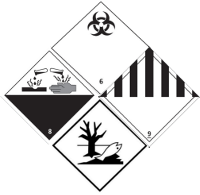
DECREE OF FEBRUARY 2, 1998, ON CLASSIFIED FACILITIES (concerns polluting substances): Any substance likely to cause water or soil pollution must be placed in a containment system.
EUROPEAN STANDARD EN 14470-1:
Applies to flammable products in laboratories. Flammable products used and handled in laboratories must be stored in one or more cabinets with a minimum fire resistance rating of 15 minutes. 4 levels of fire resistance: 15, 30, 60, and 90 minutes (please refer to our catalog for our cabinets that have been tested and certified to the EN 14470-1 standard).
NF X 15-211 STANDARD – May 2009: Covers the quality of ventilation and filtration, as well as the containment performance of recirculating fume hoods intended for handling chemicals in laboratories.