 |
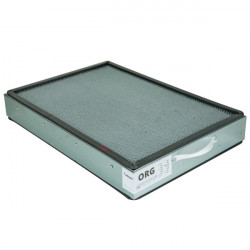
1H2/X295/S
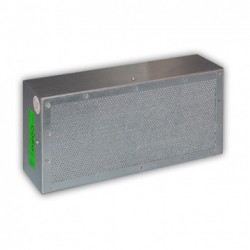
1A1/Y1.4/150/
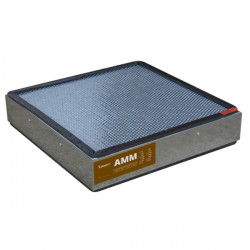
1A2/Y150/S
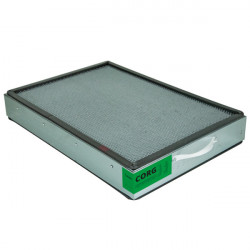
4H2V/X36/S
|
4GV/X68/S
1A2T/Y350/S
1H1/Y1.4/100
4C1/Y300/S
|
 |
.jpg)
-
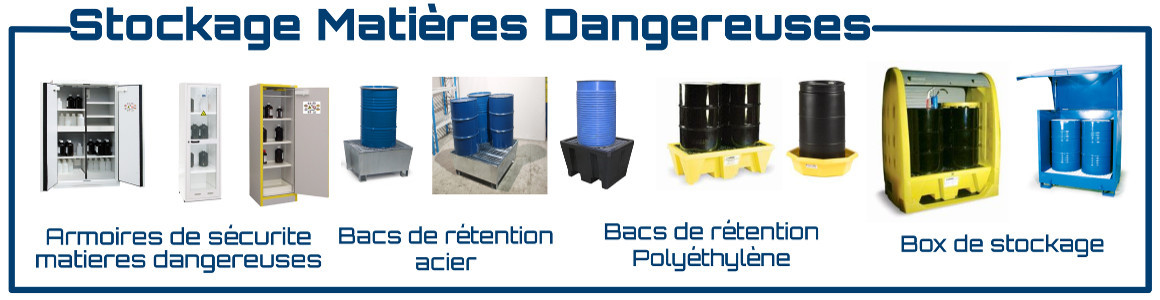
 Pest Control Products Cabinet
-
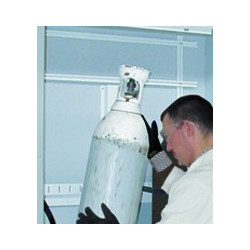
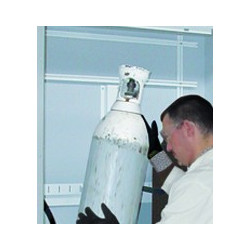
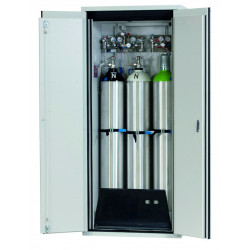
 Gas Cylinder Cabinet
-
 Corrosive Substances Cabinet
-
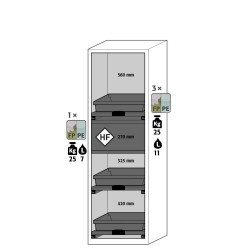
 Hazardous Materials and Reagents Cabinet
-
 Multi-Hazard Cabinet (Flammables, Acids, Bases, and Toxic Substances)
-
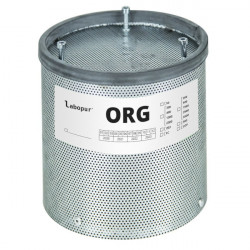
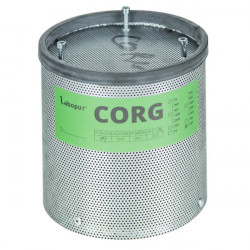
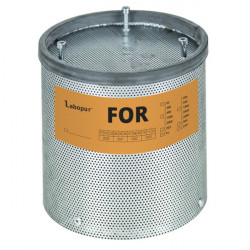
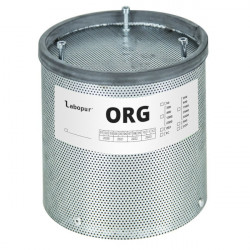
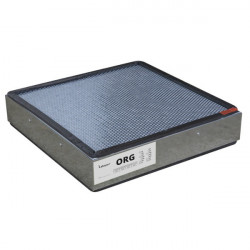
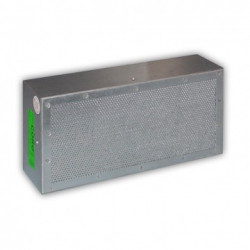
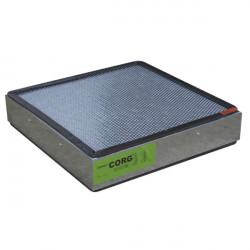
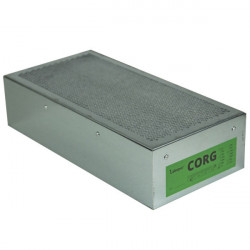
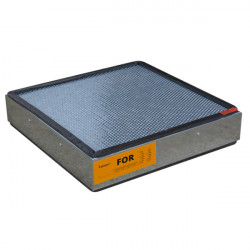
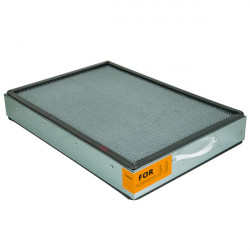
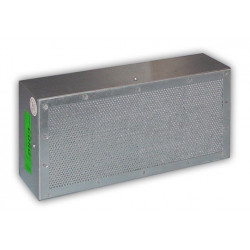
 Trionyx Carbon Filters for Cabinets and Range Hoods
-
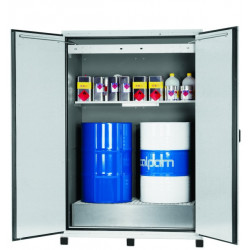
 90-minute fire-rated cabinet
-
 Affordable Safety Cabinet
-
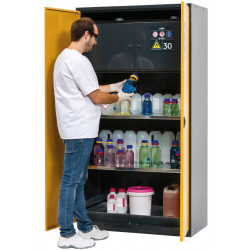
 Glass-door laboratory cabinet
-
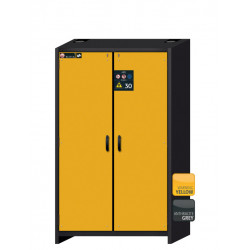
 30-minute fire-resistant cabinet for flammable materials
-
 Flame-Resistant Waste Bin
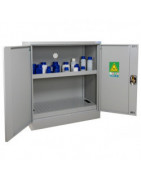 Hazardous Materials Safety Cabinet
The choice of the right safety cabinet is based primarily on two criteria:
- The nature of the products to be stored: low-risk products, plant protection products, flammable products, corrosive products, chemicals;
- The volume or type of containers to be stored
Two main standards must be taken into account:
Cabinets for Flammable Substances
These cabinets are characterized by:
| Flash Point | Fire Resistance Duration |
| Less than 0°C | Fire-resistant safety cabinet; 90-minute fire resistance |
| Between 0 and 21°C | Fire-resistant safety cabinet, 60-minute fire resistance |
| Between 21 and 55°C | Fire-resistant safety cabinet—30-minute fire resistance or FM-rated |
| Above 55°C | Fire-resistant safety cabinet with 15-minute fire resistance, or safety cabinet with fire extinguisher , or retention cabinet with 100% capacity |
| Drums and large containers | Fire-resistant safety cabinet (90-minute fire resistance) |
| Gas cylinders | Safety cabinet for gas cylinders, compliant with EN 14470-2 |
Cabinet for Other Hazardous Materials (Acids, Bases, and Corrosive Substances)
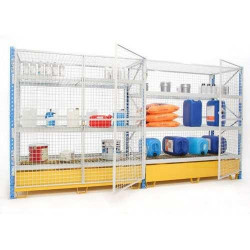
Products may be stored in the same cabinet provided they are placed in separate compartments.
problems. There are two main types of cabinets for storing corrosive products:
- Low-corrosive products: You can choose cabinets made of steel with high-density polyethylene or PVC liners on the shelves and in the spill containment tray
- Highly corrosive substances (nitric, sulfuric, hydrochloric, hydrofluoric acids, etc.): You must use a cabinet made of high-density polyethylene or cellular PVC.
These cabinets allow you to store different types of hazardous materials in the same location. Each product category (flammable, toxic, corrosive, etc.) has its own compartment to prevent incompatible materials from mixing and causing explosions, toxic vapors, etc.
These safety cabinets comply with several regulations and standards:
- Article R.5132-66: Toxic substances must be stored in a specific, lockable area designated for that purpose.
- Article R.5132-68: Products that are incompatible with one another must be stored in separate cabinets or compartments.
- Order of February 2, 1998, on classified facilities: Any product capable of causing water or soil pollution must be placed on a containment system.
- European Standard EN14470-1: Flammable products stored in the laboratory must be stored in one or more cabinets with a minimum fire resistance of 15 minutes.
These cabinets are designed for the storage of plant protection products (pesticides, fungicides, etc.) that may cause pollution or pose a hazard to humans. They must be ventilated and kept locked.