


.jpg)

Definition
Viscosity is a fluid property that describes a fluid’s internal resistance to flow or deformation and is one of the most important fluid properties to consider when designing a mixer. There are two common measures of viscosity: dynamic viscosity (µ) and kinematic viscosity (ν). The relationship between dynamic viscosity and kinematic viscosity is shown below:
 |
ν – Kinematic viscosity (cSt) µ – Dynamic viscosity (cP) ρ – Density (g/cm3) |
Dynamic viscosity is the most relevant for mixing applications because it describes a fluid’s resistance to flow under shear stress, whereas kinematic viscosity describes its resistance to flow under the influence of gravity.
Newtonian fluids
In Newtonian fluids, dynamic viscosity is defined as the ratio of shear stress to the velocity gradient in a fluid. Viscosity remains constant under varying shear stress and over time. This relationship is illustrated in the equation below:
 |
τ – Shear stress µ – Dynamic viscosity du/dy – Velocity gradient |
Most fluids can be modeled as Newtonian fluids, and this is the type of fluid we encounter in most mixing applications.

Falling-Ball Viscometer
Falling-sphere viscometers consist of a small sphere and a stationary glass tube filled with the fluid to be tested. The sphere is allowed to pass through the fluid, and the time it takes to travel between two points is measured. Using Stokes’ law, the dynamic viscosity can then be calculated using the densities of the fluid and the sphere.
Viscosity Grades
Viscosity cups are a type of viscosity measuring device consisting of a cup with a precisely sized opening in the base. The cup is filled with the liquid to be measured, and the time it takes for the liquid to flow from the cup through the opening is recorded. From this time value, the kinematic viscosity can be calculated using conversion formulas or tables provided by the manufacturer.
Viscosity cups are commonly used in the paint and coatings industries.
 |
 |
Rotational Viscometer
A more sophisticated type of rheometer is the rotary-shaft viscometer. These instruments operate on Searle’s principle, according to which the torque required to rotate a spindle in a given fluid at a certain speed is proportional to the fluid’s viscosity.
The rotational speed of the spindle can generally be adjusted, which causes the shear stress experienced by the fluid to vary. This allows rotary viscometers to be used to measure the viscosity profile of non-Newtonian fluids, which exhibit different viscosities at different levels of shear stress.
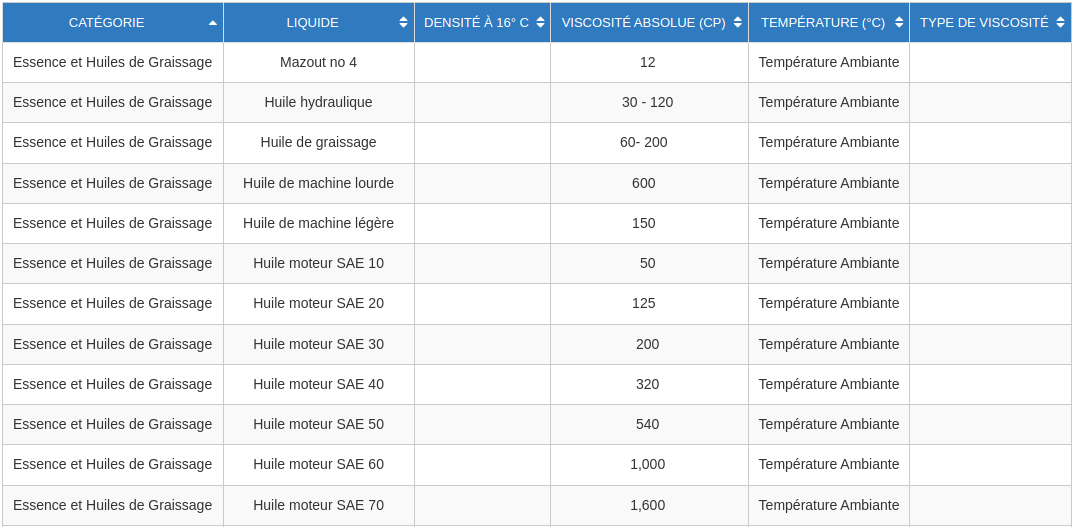
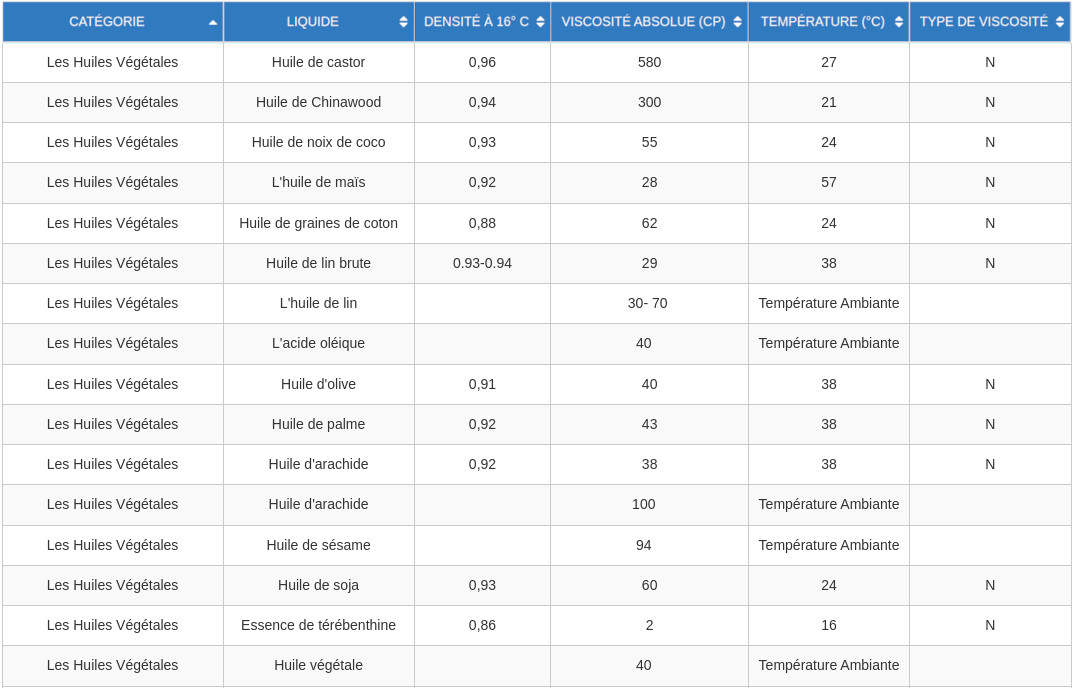
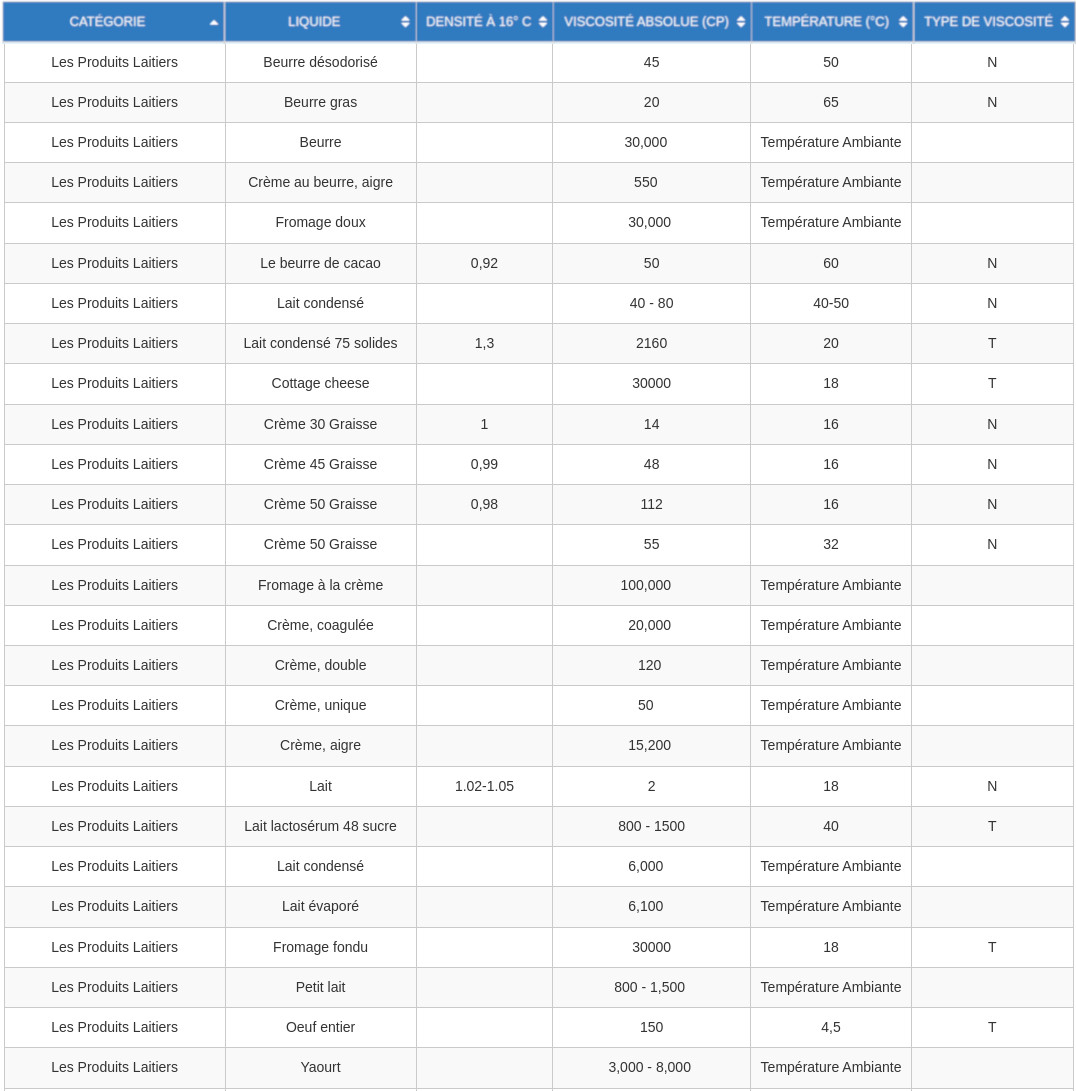
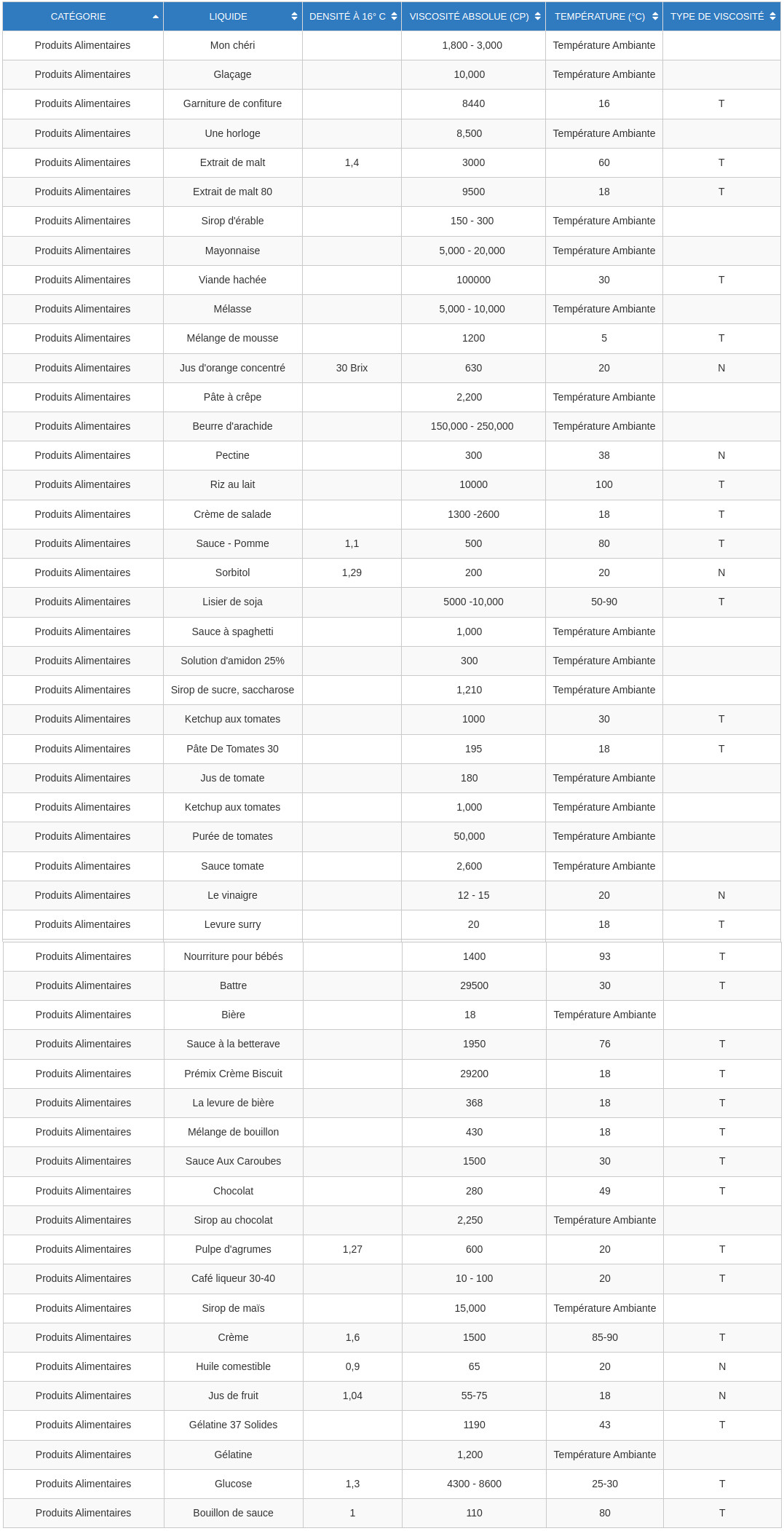
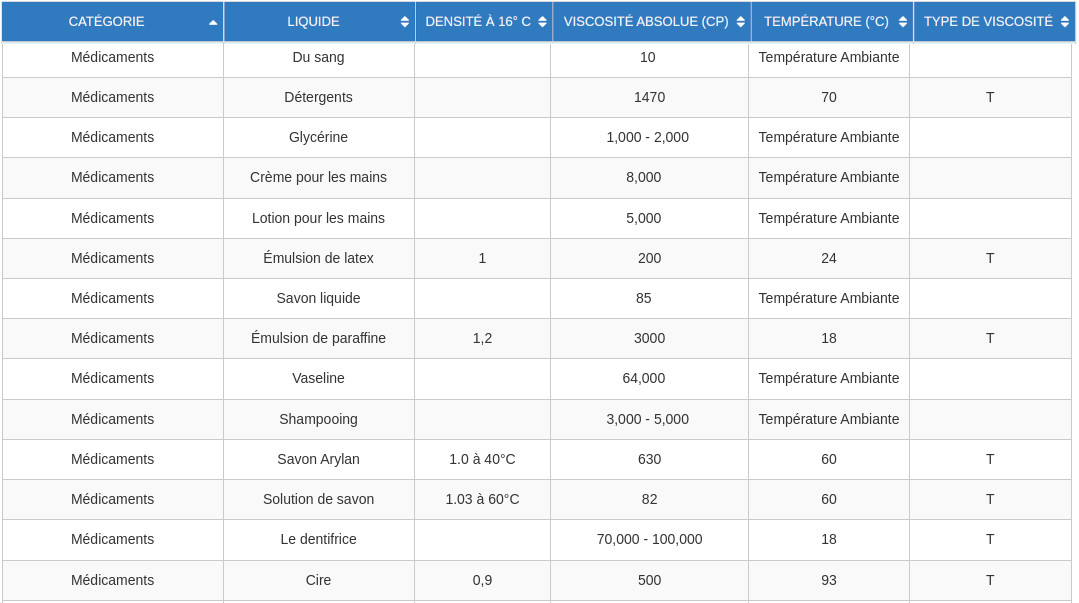
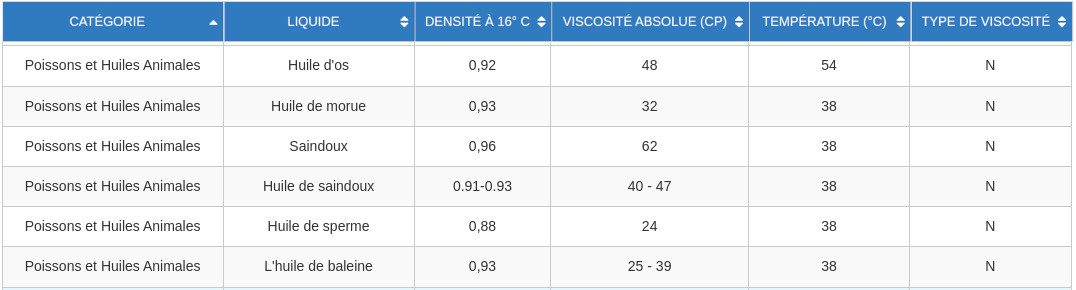

Effect on the mixture
The viscosity of a fluid is one of the most important factors to consider when designing a mixer for a given application.
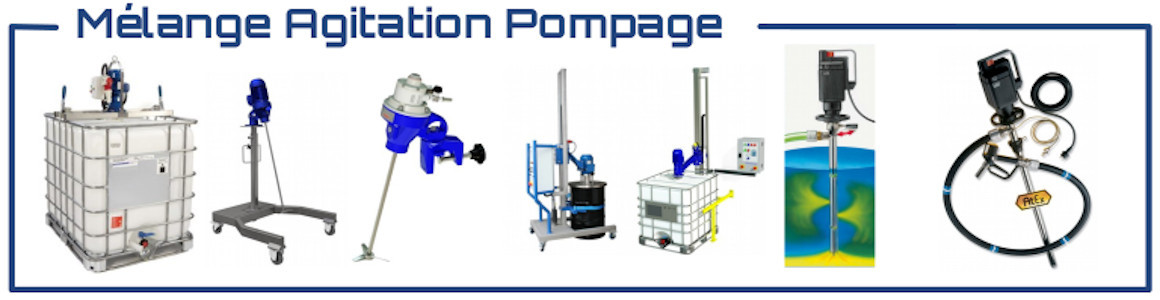
The higher the viscosity of the fluid, the more energy is required to mix it, which means larger turbines and more powerful motors to drive them. For highly viscous materials, it may be necessary to use a close-clearance impeller, such as a gate or spiral impeller, to achieve adequate mixing throughout the entire volume of the tank.
Laminar and Turbulent Mixing
Low-viscosity mixing almost always occurs under turbulent conditions.
This means that the mixing is governed by inertial forces rather than molecular diffusion, and that the mixing is achieved through the numerous vortices and swirls created by the mixer's turbine.
Turbines such as hydrofoils and tilt-blade turbines are used for low-viscosity mixing because they provide high pumping capacity and create significant turbulence in the mixing vessel.
On the other hand, mixing in high-viscosity fluids occurs primarily under laminar flow conditions, where viscous forces dominate, suppressing any turbulence, and where molecular diffusion is the primary source of mixing. To facilitate molecular diffusion, the goal of mixing in laminar flow is to “shear and bend” the fluid so that the interfacial area between the different fluids is increased, allowing diffusion to occur.
Here, vane or screw impellers are used because the large surface area
Exposure to the fluid helps enhance the “cutting and bending” action
across the entire volume of the tank.
The graph below shows the appropriate viscosity ranges for different types of standard impellers.
Table of Impeller Types and Their Appropriate Operating Viscosities

Non-Newtonian mixture
Achieving proper mixing in non-Newtonian fluids can be challenging. If you have a non-Newtonian mixing application and need help selecting a suitable mixer, please contact us, and one of our application engineers will be happy to assist you.
Static Mixers
The effect of viscosity on mixing in an in-line static mixer is similar to that in agitated tank mixers. For low-viscosity applications, mixing is dominated by turbulent vortices, whereas high-viscosity applications are always dominated by molecular diffusion and rely on the same “cross-section” mixing method as the agitated tank mixers described above.
Different types of mixing elements are used for low- and high-viscosity fluids and generally follow the same principles as agitated tank impellers. The higher the viscosity, the larger and more complex the mixing elements inside the pipe must be to ensure uniform mixing across the entire diameter of the pipe, which increases the head loss in the mixer. This increases the power required from the pump, so that, as with agitated tank mixers, more power is needed to mix high-viscosity fluids.

