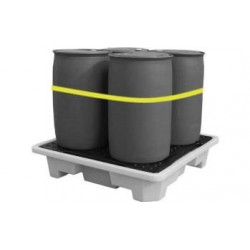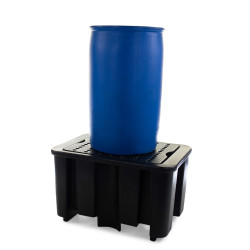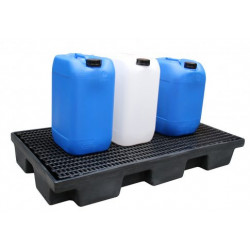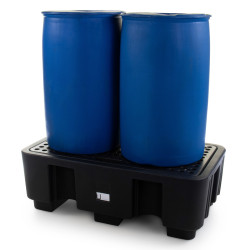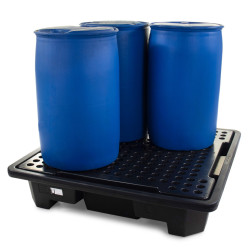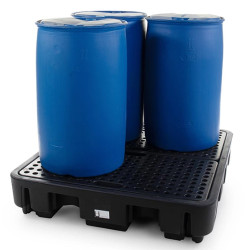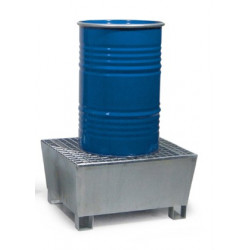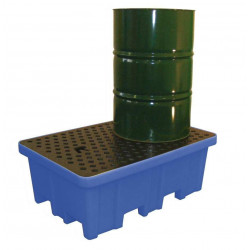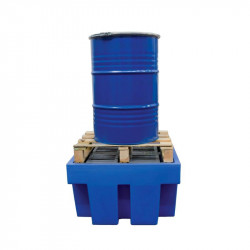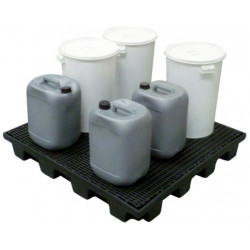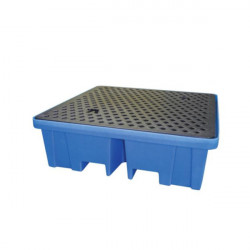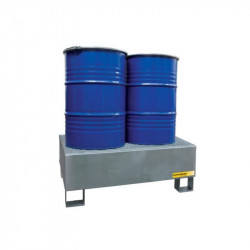
 |
1H2/X295/S
1A1/Y1.4/150/
1A2/Y150/S
4H2V/X36/S
|
4GV/X68/S
1A2T/Y350/S
1H1/Y1.4/100
4C1/Y300/S
|
 |
.jpg)
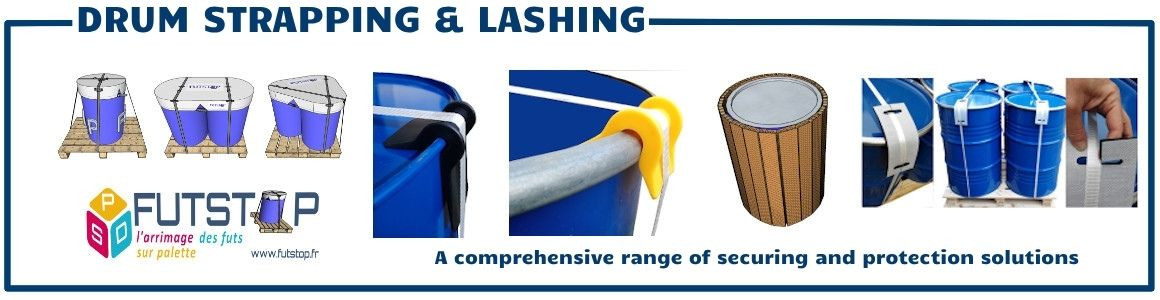
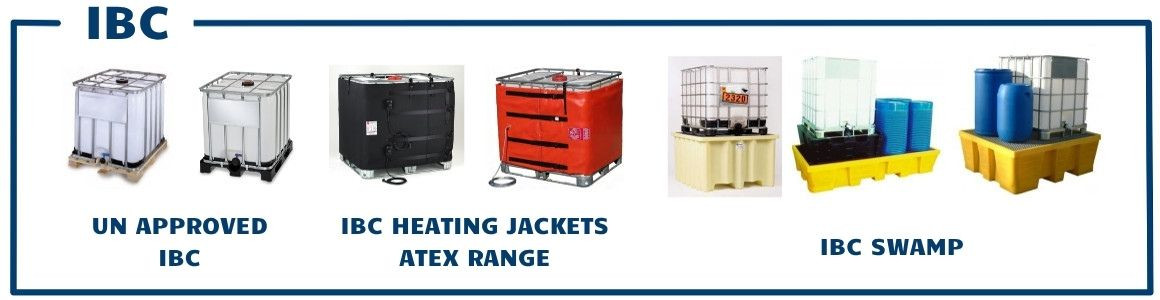
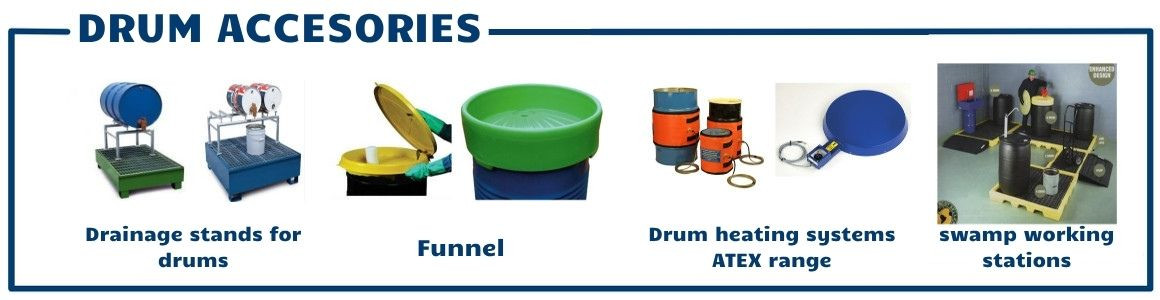
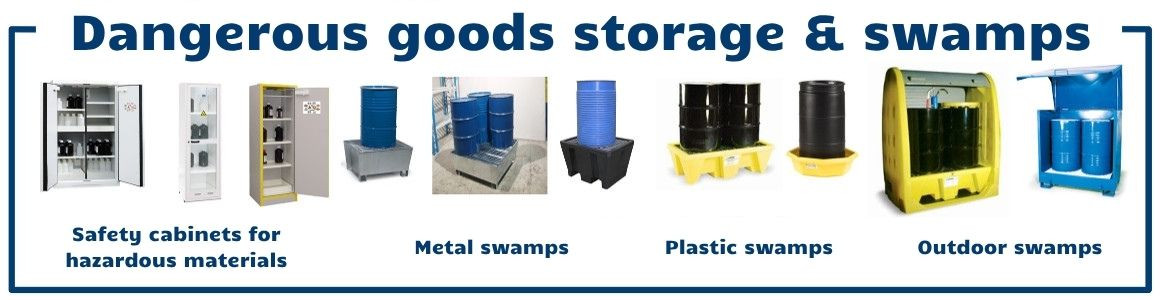


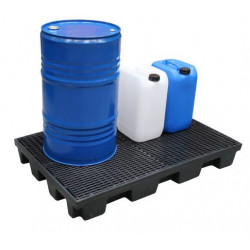
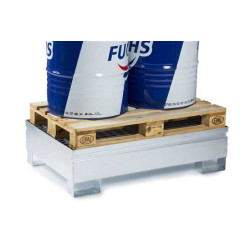
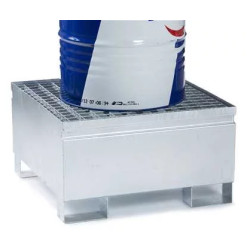
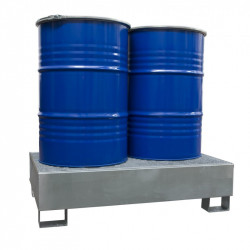
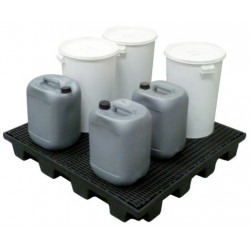
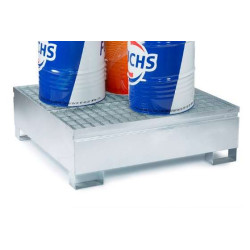
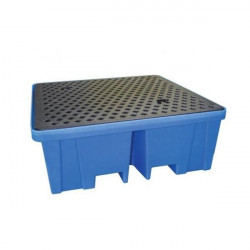
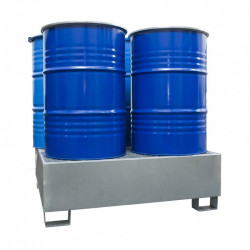
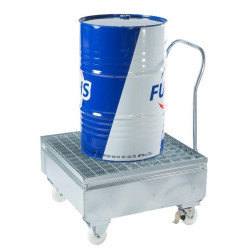
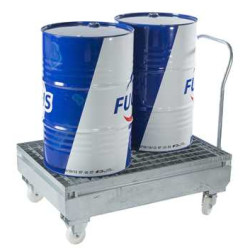
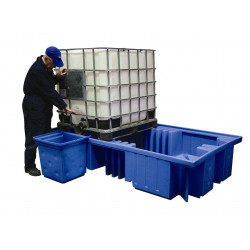
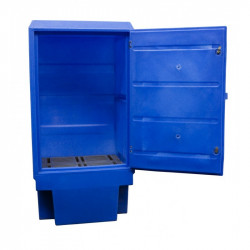
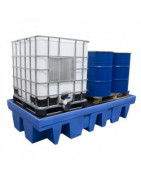 Drum Storage – Spill Pallets & Drum Enclosures
All the equipment you need to store your dangerous goods safely
Regulations on the storage of dangerous goods:
Storage rules vary depending on the nature and operations of industrial sites, but the most commonly applied rule is that "Any storage of a liquid capable of causing water or soil pollution must be equipped with a containment system whose volume must be at least equal to the greater of the following two values: 100% of the capacity of the largest tank or 50% of the combined capacity of the associated tanks. The containment system must be impervious to the substances it may hold and must withstand the physical and chemical effects of the fluids. Tanks or containers holding incompatible substances must not be connected to the same containment system.” Stricter legislation establishes additional rules, such as the French Order of 19 July 2011 amending the Order of 4 October 2010, which repealed the Order of 2 February 1998, on classified installations (ICPE) subject to authorisation.
Hazardous substance storage rules: containment volumes
Containers with a Capacity <= 250L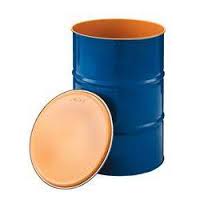 |
Containers with a capacity > 250 L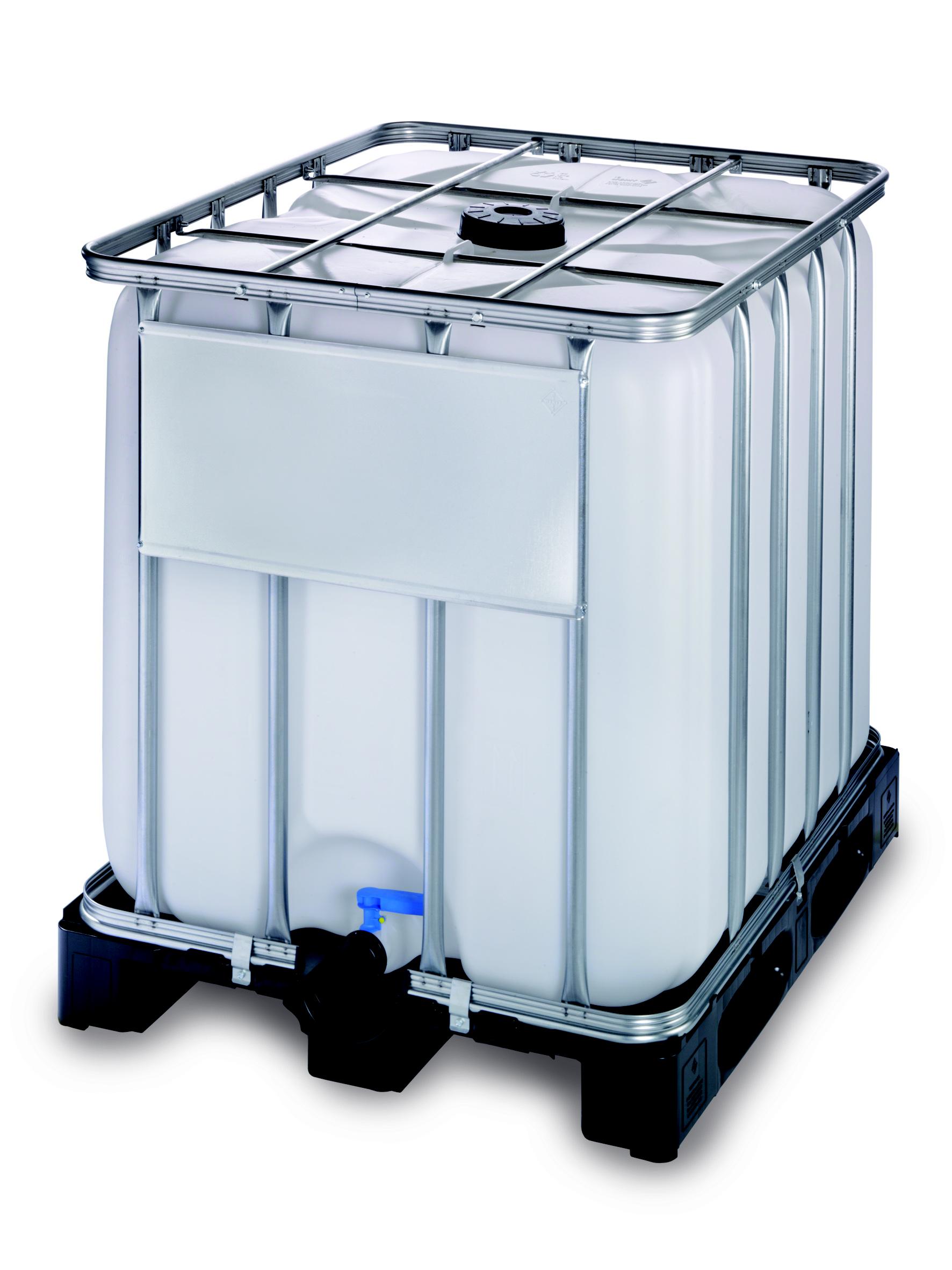 |
||||||
| Flammable Products | Non-flammable Products | The larger of these two volumes | |||||
| ≤ 800 L | Between 800 and 1,600 L | >1,600 L | ≤ 800 L | Between 800 and 4,000 L | >4,000 L | ||
| 100% of total storage capacity | 800 L | 50% of total storage capacity | 100% of total storage capacity | 800 L | 20% of total storage capacity | 100% of the capacity of the largest container | 50% of total storage capacity |
Hazardous substance storage rules:
shared containment
| Storage in a Common Containment System | Flammable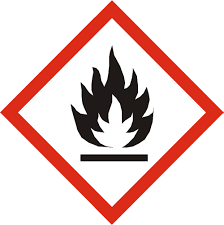 |
Corrosive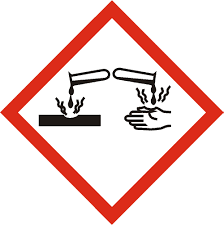 |
Toxic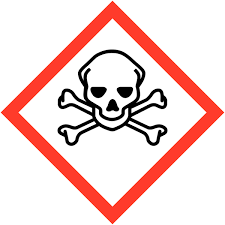 |
Harmful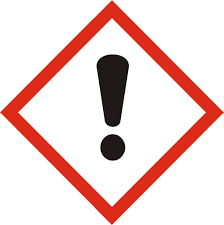 |
| Flammable |
O | - | - | O |
| Corrosive |
- | O | - | - |
| Toxic |
- | - | O | O |
| Harmful |
O | - | O | O |