

.jpg)
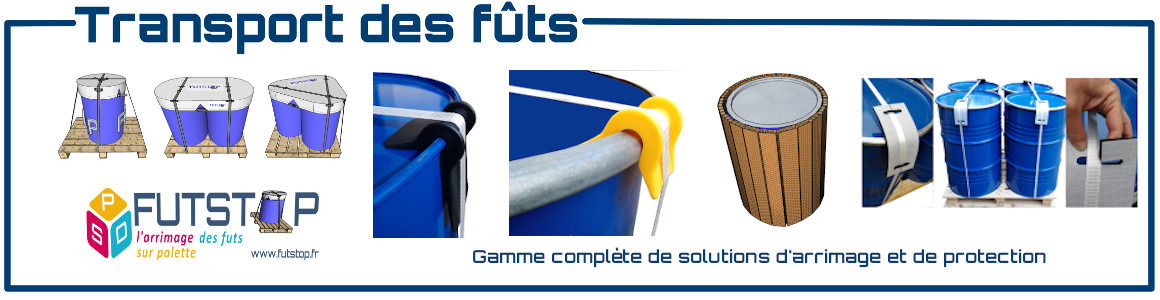

Securing and Stowage in Transport Vehicles - EN 12195-1 - CTU 2014 IMO IMDG
The transport of goods is subject to a set of regulations: Many civil codes around the world specify the responsibility of the shipper or carrier for the proper securing of cargo. In France, responsibility for loads exceeding 3.5 metric tons generally lies with the shipper.
Transportation-specific standards are also in effect: EN 12195-1:2010 covers all modes of transport, and the IMO (International Maritime Organization) CTU 2014 specifies the requirements for maritime containers
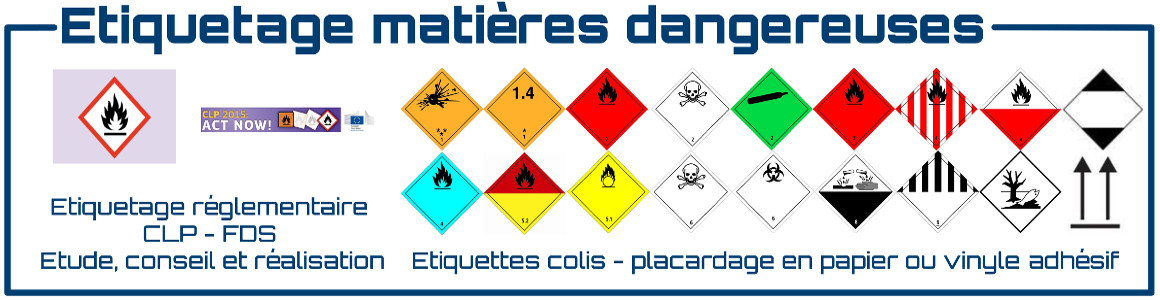
When transporting hazardous materials, these standards become mandatory in accordance with Chapter 7.5.5.2.1 of the ADR and the IMDG Code.
EN 12195-1:
This standard defines all factors to be considered for securing and stowing cargo
: - The accelerations experienced by the cargo in various modes of
transport - The coefficients of friction depending on the materials, which determine how easily the cargo can slide -
The concepts of sliding and tipping: Depending on the shape of the cargo, it may either slide or tip over (tall loads with a narrow base)
—The strength of the walls of the various modes of transport (L and XL codes for trucks—NF EN 12642, tautliners and box trucks, shipping containers, etc.)
- Standard calculation rules for determining the effectiveness of a lashing (friction lashing [from above], direct lashing [angled, diagonal, etc.], side loop lashing, anti-rebound lashing [top loop]), etc.
The principle is very simple:
This standard allows for the calculation of the load’s inertial force in all directions (forces to which the cargo is subjected during acceleration, turning, or emergency braking)
. It also allows for the calculation of the forces that will secure the load: Friction, wedging (resistance from the vehicle’s walls), and finally the securing method used. The sum of these three forces must exceed the inertial force (safety factors are factored into the calculations).
CTU 2014 – IMO – IMDG:
The annex on recommendations for loading, blocking, and securing is harmonized with EN 12195-1, using the same inertial forces and securing rules. It further defines the standard calculation for the strength of cushioning pads and details loading solutions recognized as effective.
These two main standards are based on other documents and standards that define the strength of anchor points (ISO 1496 and NF EN 12640) as well as standardize lashing straps (EN 12195-2), etc.
Discover our truck-specific securing products by clicking HERE
Discover our securing and blocking products for shipping containers by clicking HERE
SD Pack We offer a free assessment of your shipping conditions and can supply all your securing and stowage needs to ensure compliance